Cruz Co. Newport, Oregon Free report →
Websites & care Two options The report picks

Two ways to fix a website, and one way to keep it working

After the audit, there are usually only two real options — and the report tells you which one applies, based on evidence rather than my preference.

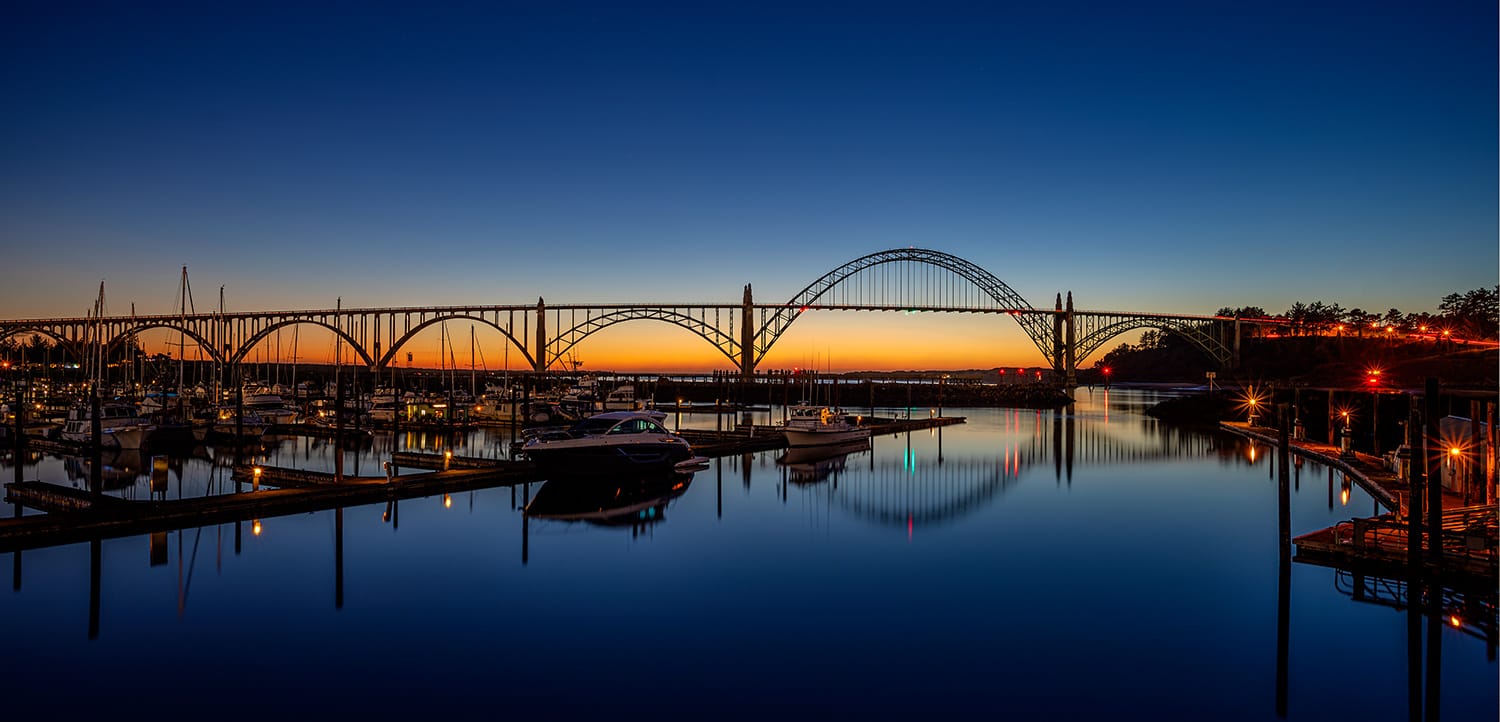
The lit steel arches of the Yaquina Bay Bridge spanning the marina at Newport, Oregon, at blue hour, with a band of orange sunset still on the horizon and the moored boats and dock lights mirrored in flat water.
Yaquina Bay Bridge blue hour, the last of the sunset
Tier 01 Your existing platform Re-audit at 60 days

Fix in Place

For sites where the bones are sound and the problem is what’s missing. I add the structured data, write the titles and descriptions, fix your heading structure, build out your FAQ content, and clean up your alt text — on your existing platform, without moving anything.

Most sites go from failing to green in under a week. Includes a re-run of your audit at 60 days so you can see it took.

Tier 02 Up to eight pages Five original photographs

Rebuild

For sites that can’t be fixed where they live — usually because the content loads in a way search engines never see. Moving it is the fix, not an upsell.

Includes a complete rebuild on fast, modern hosting with every AI-search signal built into the template, migration of your existing content, and five original photographs of your business, shot by me. Not stock.

Up to eight pages, migrated content, two rounds of revisions. Ecommerce, booking, or membership features are quoted separately.

Ongoing Quarterly re-audit Advisory with hands

Care+

Hosting, security, backups, monitoring, and small changes as you need them — plus the part most people don’t get from a web company: a quarterly re-audit, a short written read on what’s changed, and one improvement actually implemented.

Not maintenance. Advisory with hands.

The evidence Two rebuilds · June 2026 Local average: 46

Measured before, measured after. The number is not my opinion.

Two rebuilds went live in June. Both were WordPress sites belonging to real businesses on this coast, and both failed badly enough that the grade was never in question.

One caveat I’d rather state than bury. The Newport Cafe was among the first sites I ever put through the audit tool, back when I was still working out how to score any of this, and that original report is gone. I know what it graded. I’m not going to publish a number I can’t produce, so you’ll see a grade there where a digit would look more impressive. Ride the Dirt Wave came a few weeks later and its report survives, so that one carries its numbers.

The after-scores are current methodology, and you don’t have to take my word for either of them — both sites are live, and you can run them through the free report yourself right now. For reference, the average local business site I measure scores 46.

Ride the Dirt Wave · A three-venue mountain bike race series on the Oregon Coast

F 37 A 94
AI-search readiness 36 → 100

The series standings recompute from the official timing sheet after every race — it’s a working system, not a brochure.

Before
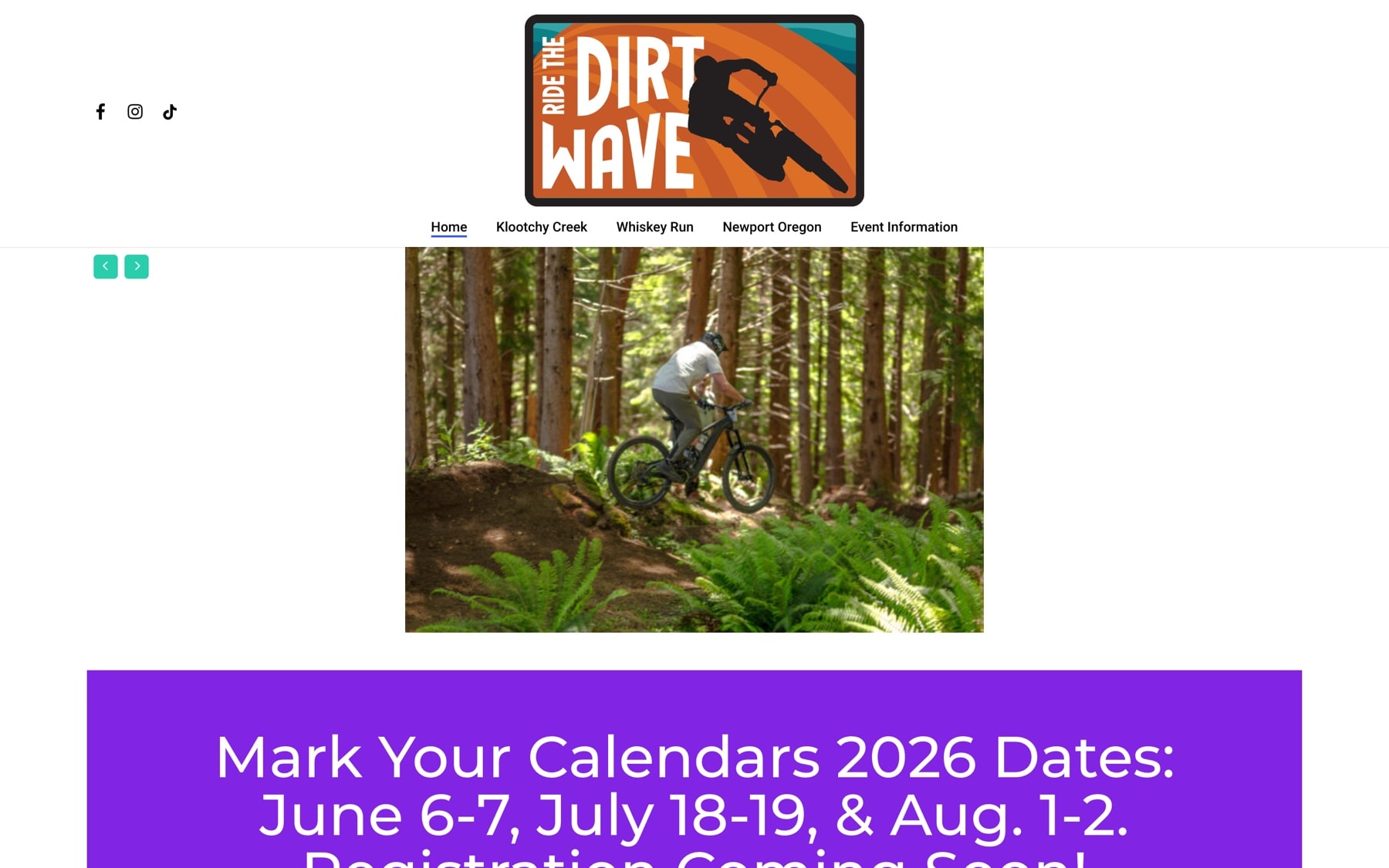
The previous Ride the Dirt Wave homepage on WordPress: the logo centred above a narrow row of text links, a small boxed photograph of a rider in the trees, and a bright purple banner announcing the 2026 race dates.

After

The rebuilt Ride the Dirt Wave homepage: a full-bleed photograph of a rider carving a dirt berm, the series name set large in condensed type over it, and a dark strip along the bottom listing all three race venues with their dates.

The old site’s homepage title read “Home Page — Ride the Dirt Wave.” Not one of its twelve pages had a meta description, so Google wrote its own snippet out of the menu text. There was no Organization schema and no Event schema, which meant that a real, multi-venue race series across three Oregon counties gave an engine nothing it could cite when someone asked what mountain bike races run on the coast. The FAQ content existed — it just wasn’t marked up anywhere a machine would look.

The rebuild carries the whole race series in schema — the series, all three events, each venue as its own locatable place with real coordinates and a registration link. Eighteen question-led headings, alt text on ninety-seven per cent of images, and every page with a title written for the thing that page actually is.
thedirtwave.com →

The Newport Cafe · A long-running diner in Newport

F not recorded A 92
AI-search readiness 91 / 100

Migrated off WordPress with the domain moved deliberately, after sign-off on a preview.

Before

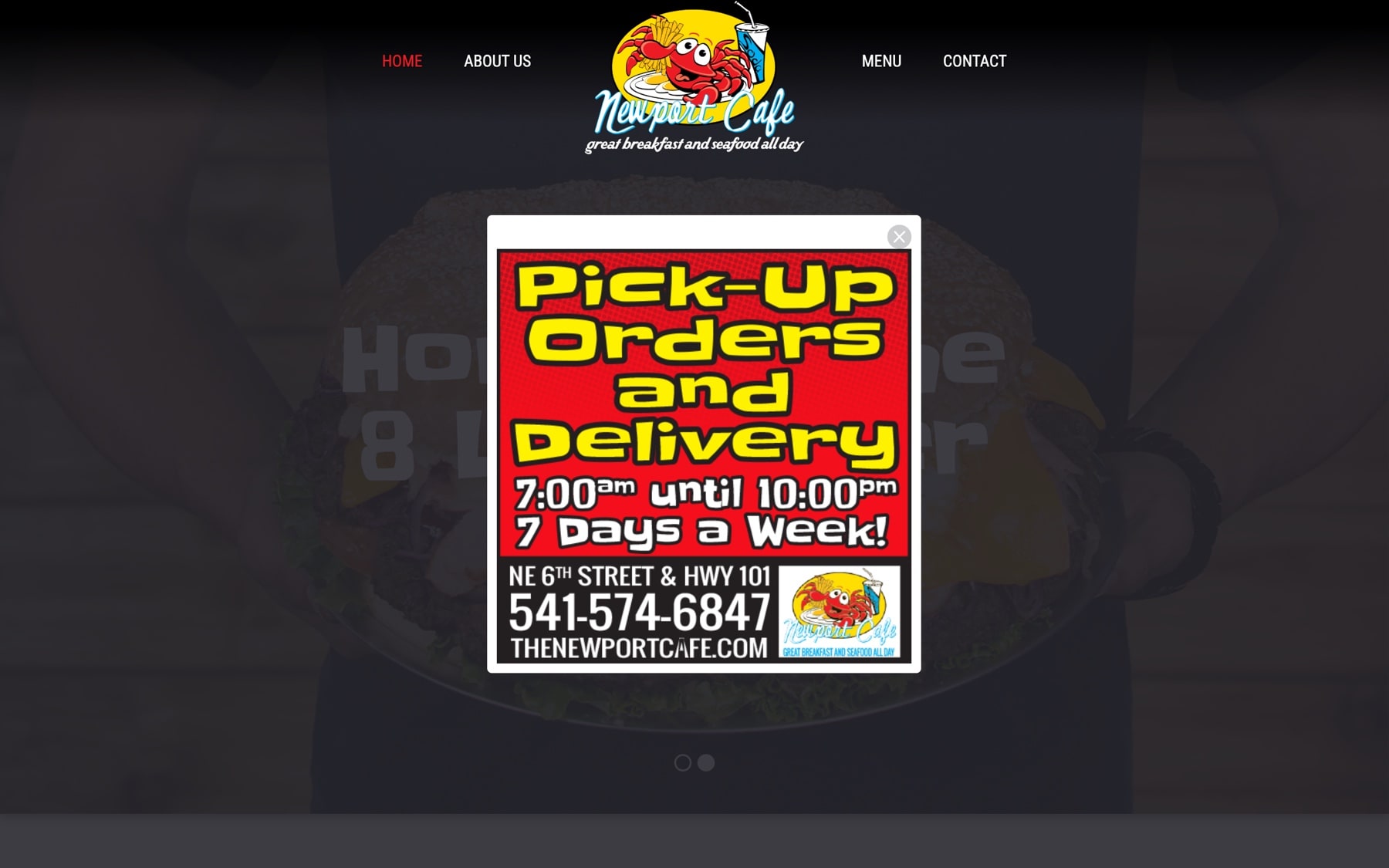
The previous Newport Cafe homepage, its hero photograph almost entirely covered by a red pop-up advertising pick-up orders and delivery, with the headline behind it unreadable.

After

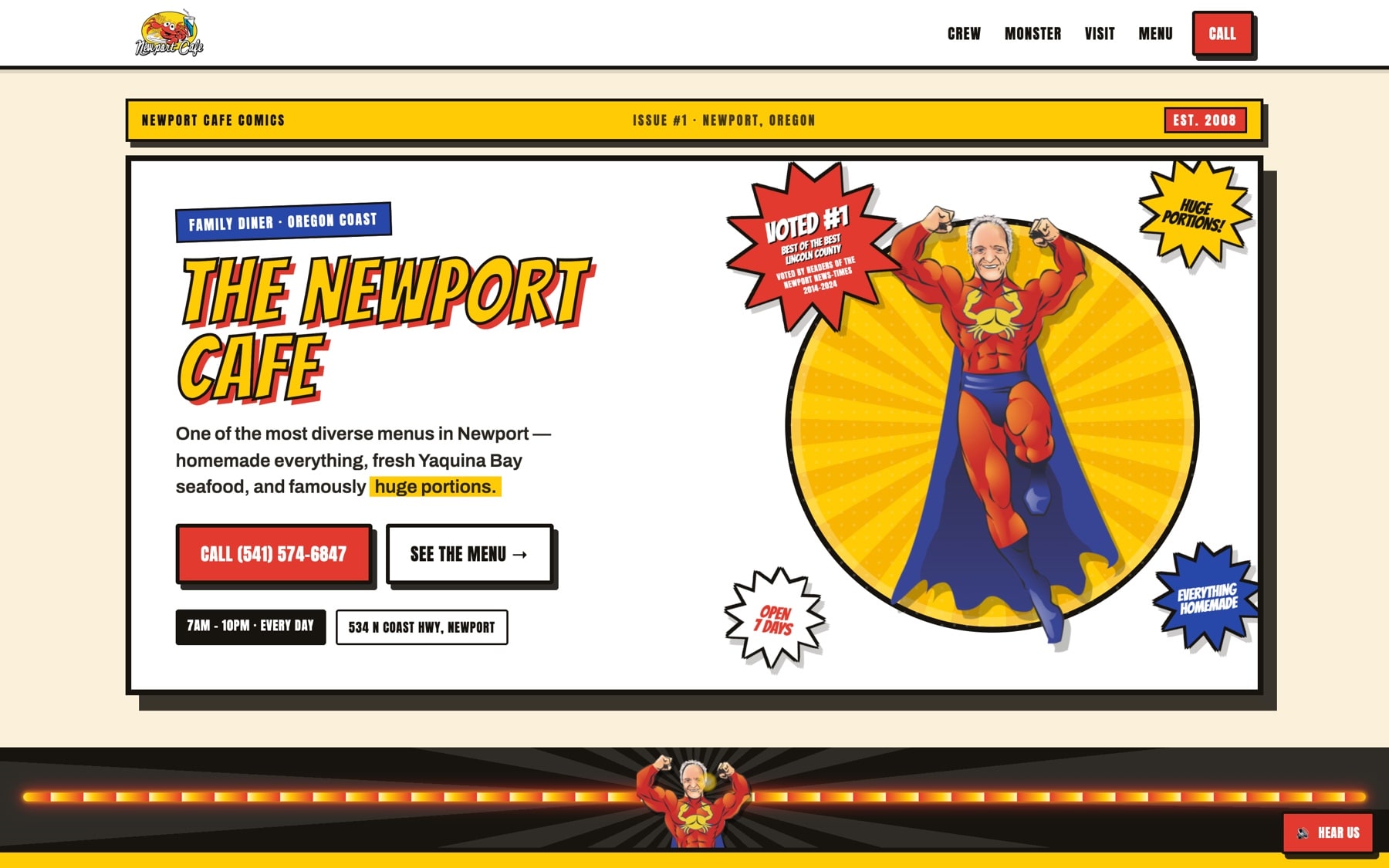
The rebuilt Newport Cafe homepage, laid out as a comic book cover: the diner’s name in yellow display lettering beside an illustrated caped superhero, with the phone number and the menu as the two main buttons.

The first thing the old site showed anyone was a pop-up covering its own headline.

Moved off WordPress entirely. The whole menu — two hundred and twenty-five items, checked line by line against the printed one — is now marked up so an engine can answer “what does the Newport Cafe serve for breakfast?” by quoting the actual menu rather than guessing.

The homepage answers the five things people phone up to ask: hours, where it is, whether there’s seafood, whether breakfast runs all day. Plain headings, plain answers, marked up so they can be lifted.

thenewportcafe.com →

Question 01 Ninety days 250 hours Short list, real numbers

Why are there only two?

Because I’ve been doing this for ninety days.

I learned what AI search actually was in the spring. Then I put about two hundred and fifty hours into it — not reading think-pieces, but working out how to detect it: what a machine can and can’t see on a page, which signals actually move a recommendation, and how to measure any of it the same way twice. That work is the audit tool this site runs on. It’s also why the report hands you the exact code block instead of telling you to improve your metadata.

Two rebuilds is what ninety days honestly buys. It is also two more than most people selling this can show you measured, before and after, by a method they’ll explain.

I’d rather hand you a short list with real numbers on it than a long one with logos.

Question 02 Systems, not staff The overhead is cheaper

Why is a rebuild cheaper here than at an agency?

Because I’ve built the systems to do it fast, and because I’d rather have a hundred small businesses on care plans than ten big projects a year. The work isn’t cheaper. The overhead is.

Question 03 Roughly two years old The fundamentals hold

Isn’t all of this a bit new to be spending money on?

It is new. Nobody has ten years of experience in this, and anyone telling you otherwise is describing something else. The engines that decide whether you get recommended have only behaved this way for about two years, and they change on a schedule none of us control — a model updates, an answer format shifts, and what was true in March reads differently by July.

That’s an argument for doing the durable part, not for waiting. A site a machine can read, content shaped like answers, and a business an engine can name by its actual name — those have survived every change so far, because they aren’t tricks. They’re the thing the engines are looking for in the first place.

What it does mean is that this is measured work rather than set-and-forget, which is the entire reason Care+ exists. Anyone selling you a permanent fix to a moving target is selling you something.

Question 04 Then keep your money It happens

What if my site is fine?

Then the report will say so, and I’ll tell you to keep your money. That happens more than you’d think.

Start here Evidence, not preference

Which one do you need?

The report answers that before you spend anything, and it answers it with evidence rather than my preference.